Integrated Care Boards (ICBs) have four core objectives:
- Improve health outcomes and reduce inequalities in health
- Ensure consistently high-quality care
- Drive improved productivity
- Improve social and economic impact.
In support of these four objectives, the Government has set out three strategic shifts for the NHS:
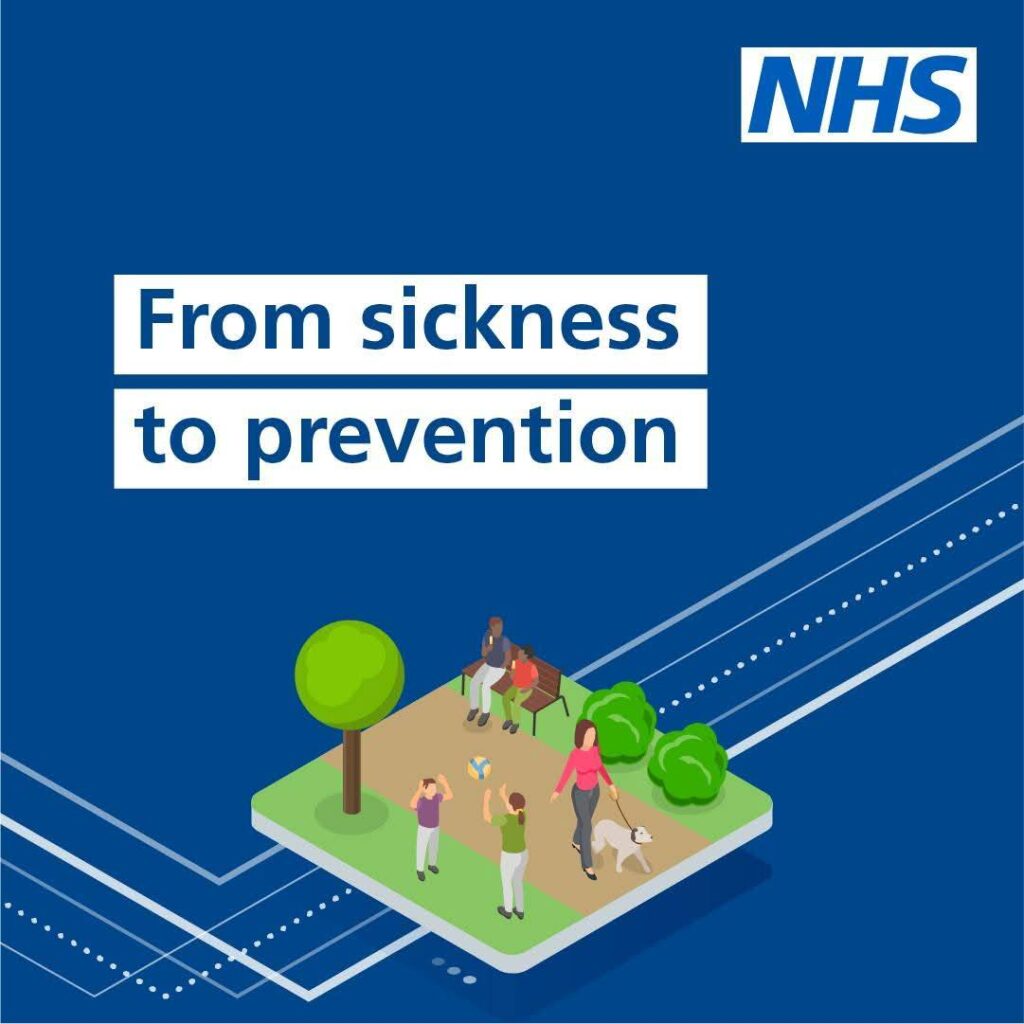
- Sickness to prevention: through proactive community and public health initiatives, working closely with local authorities, communities and individuals
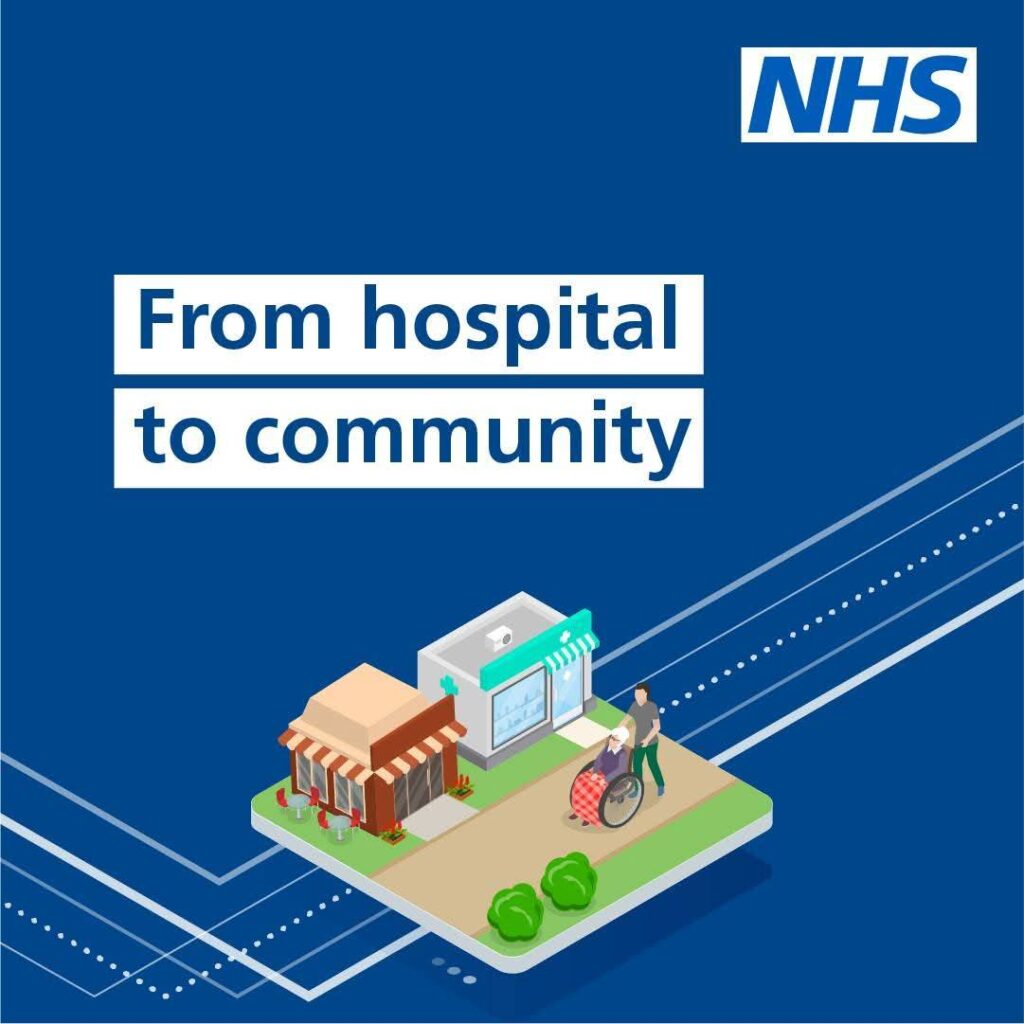
- Hospital to community: moving care closer to home by building more joined-up, person-centred care in local neighbourhoods, reducing reliance on acute care.
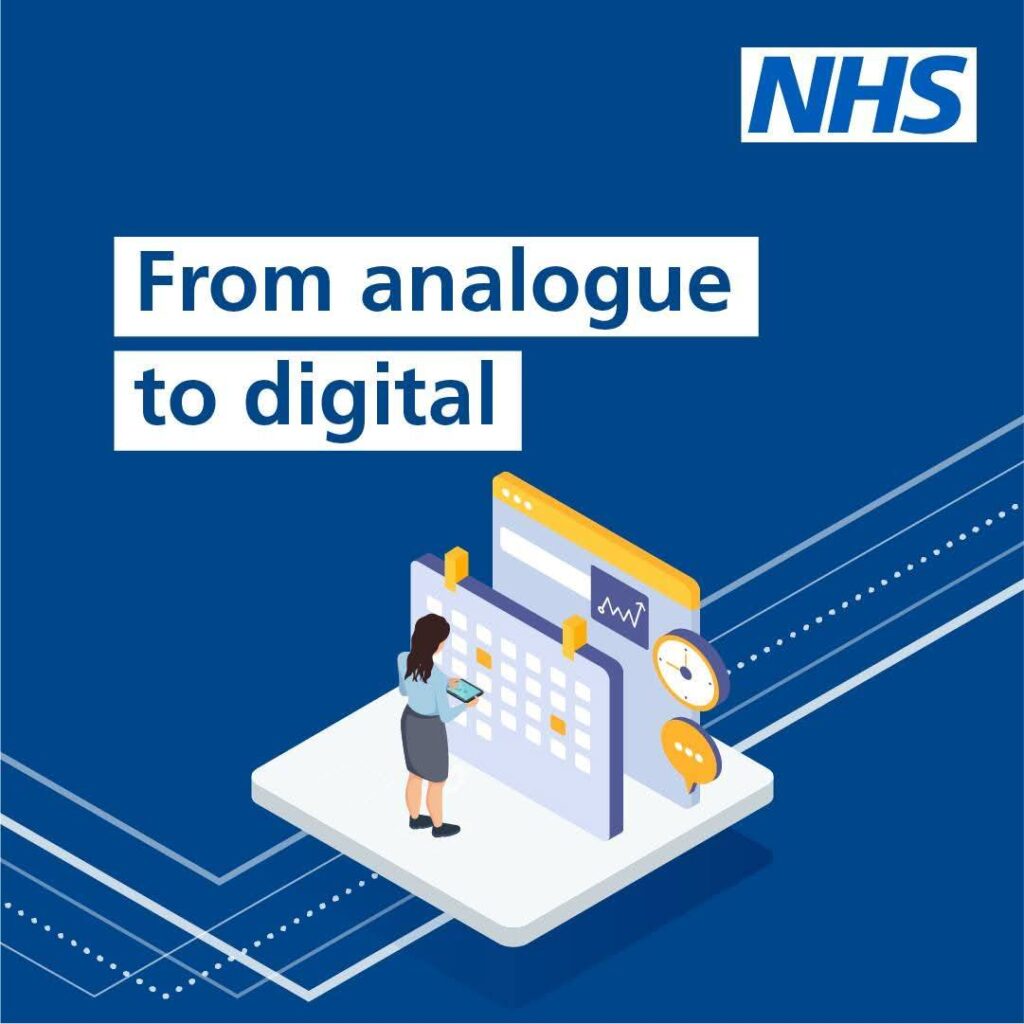
- Analogue to digital: harnessing technology and data to transform care delivery and improve quality of care.
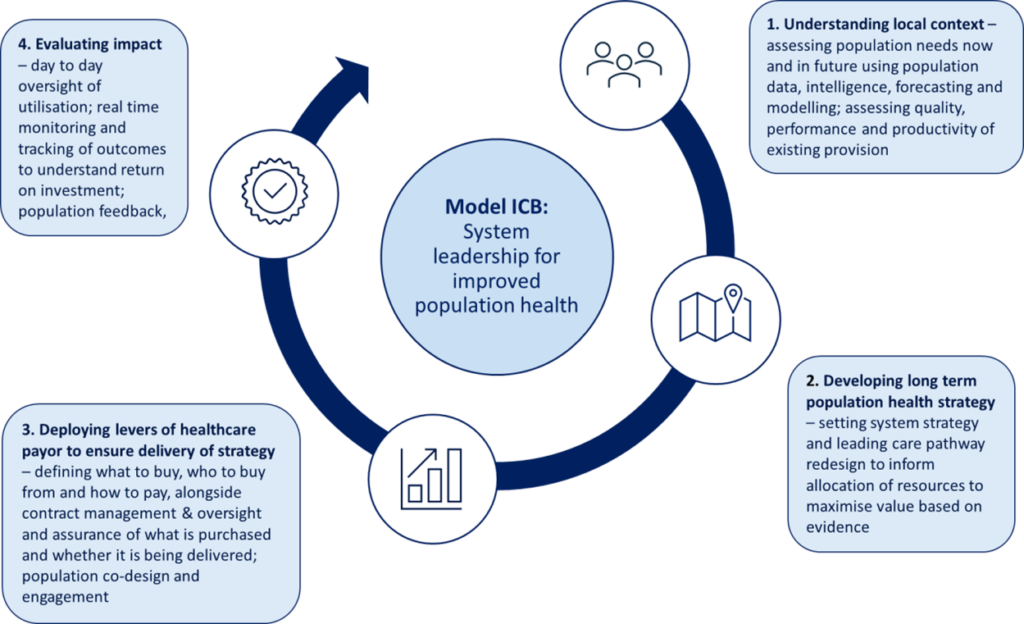
The draft Model ICB Blueprint and the Strategic Commissioning Framework set out the role ICBs will play in delivering the three shifts and the wider 10-Year Health Plan. ICBs provide system leadership for population health, setting evidence based and long-term population health strategy and working as healthcare payers to deliver this, maximising the value that can be created from the available resources. This involves investing in purchasing and evaluating the range of services and pathways required to ensure access to high quality care, in order to improve outcomes and reduce inequalities within their footprint. ICBs not only commission services but also align funding and resources strategically with long-term population health outcomes and manage clinical and financial risks.
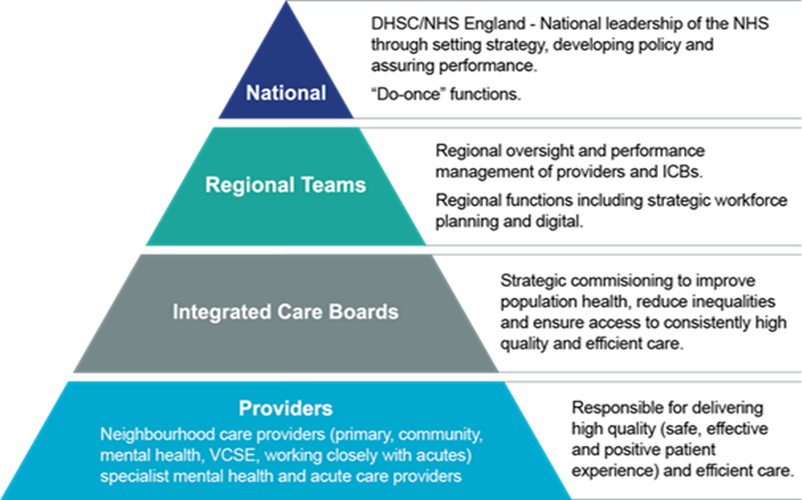
The refreshed role of ICBs has been developed through a set of assumptions about the system landscape, along the lines set out below (click to enlarge):
About Lancashire and South Cumbria
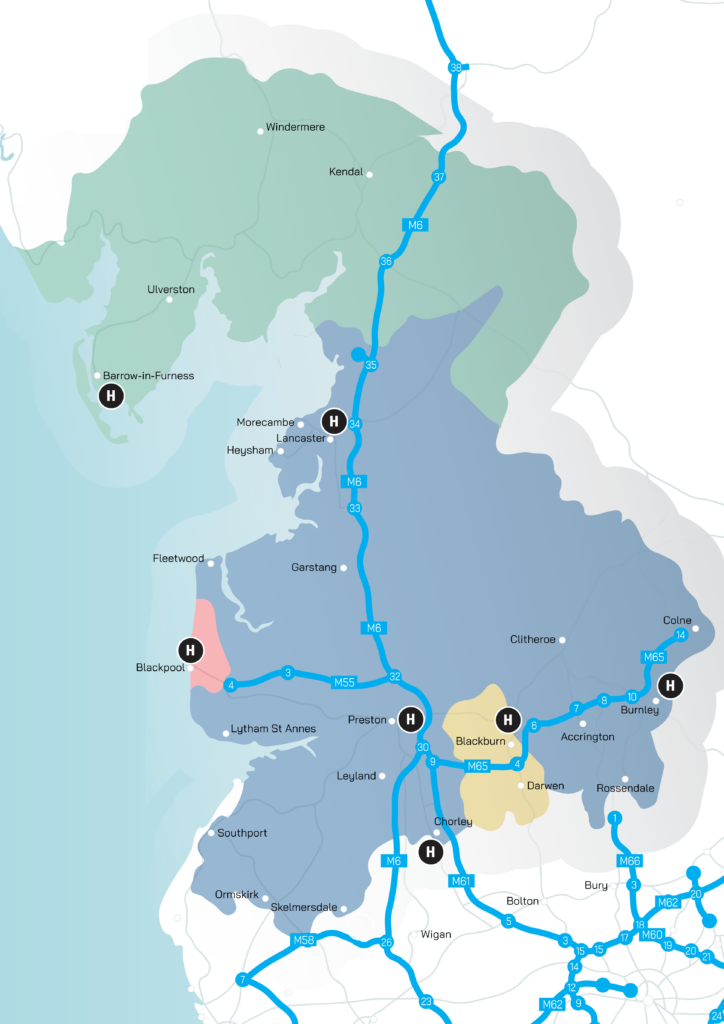
Lancashire and South Cumbria has:
- A population of 1.8 million
- Four place-based partnerships
- Six upper tier and 14 district local authorities
- Four NHS Acute trusts, One Mental Health Trust and an Ambulance Trust that spans across the
- NW region
- 196 GP practices
- Six local independent Healthwatch organisations
- Thousands of wider partners such as voluntary, community, faith, social enterprise and education
More information about NHS Lancashire and South Cumbria ICB can be found at: lancashireandsouthcumbria.icb.nhs.uk
Read the latest LSC ICB Annual Report and Accounts:
lancashireandsouthcumbria.icb.nhs.uk/about-us/publications/lsc-icb-annual-reports
Our vision
Our vision is to have a high quality, community-centred health and care system by 2035. ‘Community-centred’ means a focus on keeping our communities well rather than a ‘sick care’ model which we recognise currently.
This requires an emphasis on prevention, wellbeing and healthy communities rather than solely on a specific health issue and/or clinical visit of a patient. It also requires a shift towards delivering care in the home and community over a person’s lifetime, taking into account the context of family, community and the holistic person at the centre of the care and making best use of digital technology.
Everything we do as a partnership is focused on improving the health and wellbeing of our population and to move towards a more equitable health and care system.
Our strategic objectives
- Improve quality, including safety, clinical outcomes, and patient experience
- To equalise opportunities and clinical outcomes across the area
- Make working in Lancashire and South Cumbria an attractive and desirable option for existing and potential employees
- Meet financial targets and deliver improved productivity
- Meet national and locally determined performance standards and targets
- To develop and implement ambitious, deliverable strategies
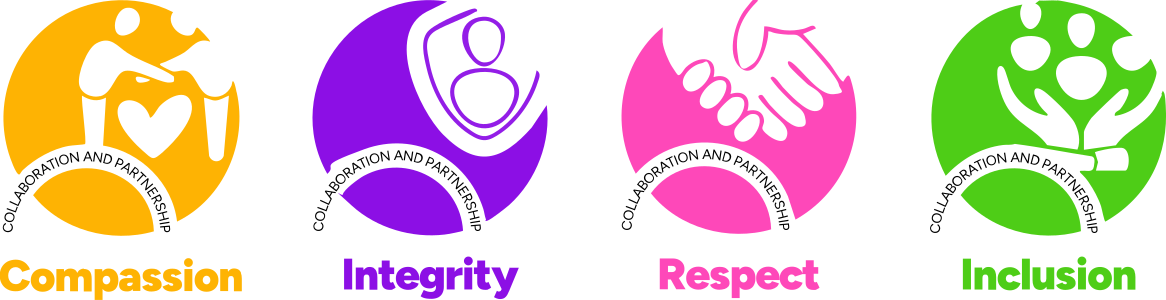
We are committed to fostering a culture that is ambitious, appreciative and resilient. We believe in a “can do” attitude, where every challenge is an opportunity for growth and improvement. Our intent is to deliver our plans effectively and efficiently, ensuring that we become an organisation that serves our communities with excellence. The way we do this is through our values of:
More information
For information about the ICB, such as annual reports, board papers and other key documents, please visit our website www.lancashireandouthcumbria.nhs.uk